
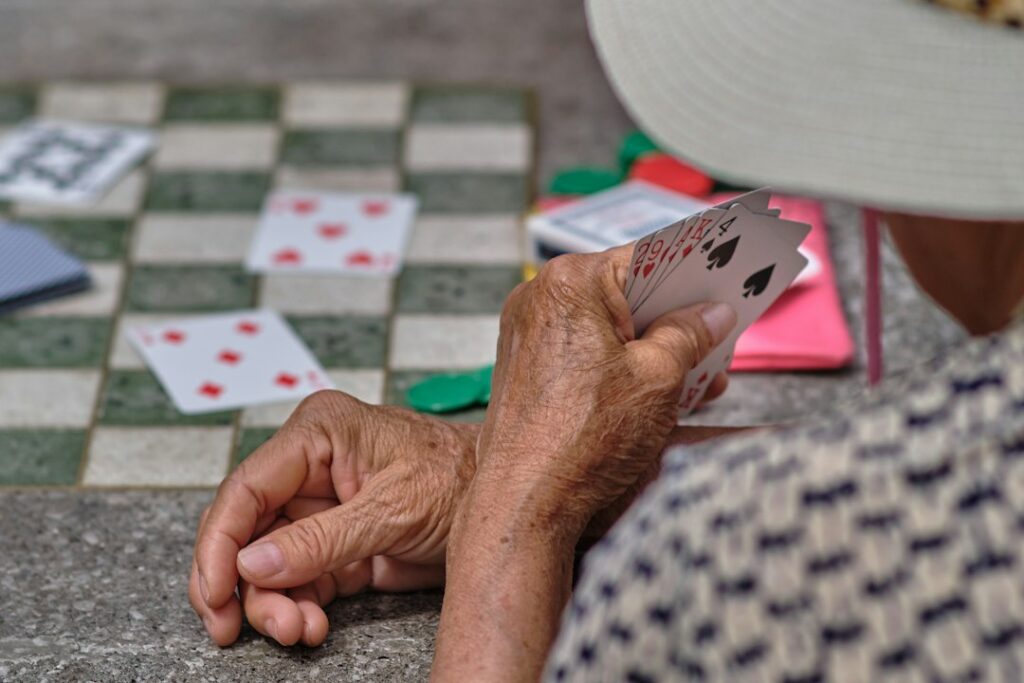
Assisted living communities typically offer a mix of social, physical, creative, educational, spiritual, and outdoor activities. The purpose is not to keep every resident busy every minute, but to support movement, connection, personal interests, confidence, and a sense of daily purpose.
What kinds of activities are offered in assisted living?
Most communities provide a regular activity calendar with choices that accommodate different abilities, interests, and energy levels. Activities may take place in shared rooms, private areas, outdoor spaces, or residents’ apartments.
Common examples include:
- Craft projects, painting, drawing, and seasonal decorations
- Card games, puzzles, trivia, bingo, and board games
- Music programs, sing-alongs, dancing, and guest performances
- Exercise classes, stretching, balance practice, and walking groups
- Gardening, bird-watching, and other nature-based activities
- Cooking demonstrations, baking, and simple food preparation
- Reading groups, discussion circles, and current-events conversations
- Religious or spiritual gatherings for residents who want them
- Movie afternoons and shared television programs
- Reminiscence activities involving photographs, music, or familiar subjects
- Birthday celebrations, holiday gatherings, and resident social events
Activities should be adapted rather than treated as all-or-nothing events. A resident may participate by watching, helping prepare materials, talking with others, or joining for only part of the session.
How do activities support older adults?
Recreation can support several aspects of daily well-being. Conversation and group activities may reduce isolation, while movement-based programs can help residents maintain strength, flexibility, and confidence with everyday tasks.
Creative activities may provide a way to express emotions or maintain long-standing interests. Music can be especially meaningful because familiar songs often encourage participation even when memory or speech has changed. Games and discussion groups may also provide mental stimulation without feeling like formal schoolwork.
The benefits are not limited to organized programs. Sharing coffee with another resident, watering plants, looking through family photographs, or helping set a table can also create connection and purpose.
Are activities suitable for residents with memory loss?
They can be, especially when the activity is familiar, simple, and flexible. Residents living with Alzheimer’s disease or another form of dementia may enjoy music, folding towels, sorting objects, looking at photographs, light gardening, sensory activities, and short conversations about familiar experiences.
Successful activities often have clear steps and few distractions. Instructions may need to be repeated, and the resident may need extra time to respond. The goal is participation and comfort, not perfect performance.
A resident with memory loss should not be excluded simply because a program appears challenging. Staff can often adjust the activity by reducing the number of choices, offering hand-over-hand guidance when appropriate, or providing a quieter space.
What if a resident is not interested in group activities?
Not every resident enjoys organized recreation, and declining an activity does not necessarily mean something is wrong. Some people prefer quiet time, private hobbies, television, reading, phone calls, or one-to-one conversation.
A useful activity program includes alternatives for residents who dislike crowds or become tired easily. These might include:
- A short visit with a staff member or volunteer
- Listening to preferred music
- Looking through magazines or photo albums
- Completing a puzzle in a quiet area
- Sitting outdoors or near a window
- Helping with a small, familiar task
- Joining a group after it has already begun, rather than attending the full session
Preferences can also change. A resident who refuses a morning program may enjoy an afternoon activity, while someone who previously attended large gatherings may later prefer smaller groups.

How are activities adapted for mobility limitations?
Assisted living activities should account for residents who use walkers, wheelchairs, canes, or other mobility supports. Rooms should allow safe movement, clear paths, suitable seating, and enough space for assistive devices.
Exercise programs may be performed while seated. Outdoor activities may use accessible paths, shaded seating, and frequent rest periods. A resident who cannot participate in a walking group might still enjoy a garden discussion, chair stretches, or a music program.
Weather also affects recreation in Kutztown. Cold temperatures, snow, ice, rain, and hot summer conditions can make outdoor programs uncomfortable or unsafe. Communities often shift activities indoors during difficult weather while still offering daylight, fresh air through safe arrangements, or views of outdoor surroundings.
Can residents continue their existing hobbies?
Often, yes. Personal interests are an important part of identity, especially after a move into assisted living. Residents may continue hobbies such as knitting, woodworking projects that can be completed safely, painting, writing, collecting, reading, puzzles, music, or gardening.
Family members can help by sharing information about a resident’s past interests and providing familiar materials when appropriate. A person who no longer manages an entire hobby independently may still enjoy selected parts of it. For example, someone who once gardened extensively might sort seeds, plant herbs in containers, or discuss favorite flowers.
The activity does not need to look exactly as it did at home to remain meaningful.
How can families tell whether recreation is working?
Attendance alone is not the best measure. A resident may benefit from an activity even if participation lasts only ten minutes. Useful signs include appearing more relaxed, talking about the activity later, making a new social connection, showing interest in returning, or demonstrating improved mood afterward.
Families can ask practical questions such as:
- Which activities does the resident attend voluntarily?
- Are programs offered at different times of day?
- Are quieter alternatives available?
- How are activities adapted for hearing, vision, memory, or mobility changes?
- Can residents suggest programs or help plan events?
- Are outdoor activities adjusted for seasonal weather?
- How are personal preferences recorded and updated?
A resident’s interests should be reviewed over time. Health changes, grief, medication effects, fatigue, and changes in vision or hearing can all influence participation.
What makes an activity program meaningful?
Meaningful recreation is based on choice, familiarity, dignity, and connection. Residents should not be pressured to join every event, and activities should not be designed only for entertainment. The strongest programs give people opportunities to contribute, make decisions, use existing skills, and spend time with others in ways that feel natural.
A resident may find purpose in leading a discussion, choosing music, watering plants, folding napkins, welcoming a new neighbor, or sharing a family tradition. These contributions can be just as valuable as a large scheduled event.
For residents and families evaluating assisted living options, the activity calendar is only part of the picture. The more useful question is whether recreation can be adjusted to fit the individual person, including preferred routines, cultural traditions, physical abilities, social comfort, and changing interests.
